
For over 60 years, I’ve lived and thrived by eating fruits, veggies, legumes, nuts, seeds, grains, pasta, and some of the vegan options that have proliferated over the past two decades. I’ve been a vegetarian since I was two years old and able to say “no” to the meat on my plate. Thankfully, my mom was kind enough to not force me to eat it. So, for the first 20 years of my life, I was a vegetarian because I didn’t like the taste and texture of meat.
Then, as I got older, I learned about the massive and devastating impact of industrial-raised animals on our environment. For the next 30 years I included environmental reasons to my list for not eating meat. After the pain, anguish, and incredible suffering of the animals used, abused, and slaughtered by humans became clear to me, I switched to a completely plant-based diet about 11 years ago. Now I’ve added a desire to live nonviolently and lovingly protect all animals to the list of why I choose to eat a vegan diet.
And I am not alone. Roughly 1% to 4% of the U.S. population follows a dedicated vegan diet, translating to roughly 3 million to 10 million adults. While rigorous adherence is low, surveys by organizations like The Vegetarian Resource Group show that up to 33% of U.S. adults regularly or occasionally eat vegan/plant-based meals.
Survey Breakdown and Data:
- Committed Vegans (1%–3%): Gallup polls show about 1% of Americans explicitly identify as vegan, while broader consumer studies and Statista data place the number closer to 3% to 4% depending on how the question is framed.
- Occasional Consumers (33%): Data from The Harris Poll indicates that about a third of U.S. adults sometimes or often incorporate vegan meals into their routine, even if they don’t follow a 100% plant-based diet.
- Demographics: Vegan and plant-based diets are more common among younger adults (ages 18–34) and urban residents, with women adopting the diet at higher rates than men.
I’m sharing all of this because those who eat a plant-based diet and those who choose to have small families or no children are both positively impacting the environment and contributing to a more sustainable world. And there are also some big differences.
First, here are some similarities:
- Both can lower greenhouse gas emissions.
- Both are individual decisions.
- Both involve trade-offs.
- Neither is a complete solution.
Next, here are some important differences:
Having fewer/no children affects long-term population and future consumption. It is usually a one-time life decision that involves deeply personal questions about family and reproduction. And the environmental effects are realized over decades and depend on the future lifestyle of descendants.
Eating a plant-based diet affects current demand for food production. It is a daily, ongoing choice that can be changed. Primarily it concerns food preferences, health, ethics, animal welfare, and culture. And the environmental effects begin almost immediately through changes in food demand.
One common misunderstanding is that these choices are directly comparable in a simple “which is better?” sense. They operate on different timescales and through different mechanisms. Someone could have several children and live a very low-carbon lifestyle or have no children but have a large environmental footprint from frequent flying, high consumption, and/or extravagant energy use. Likewise, someone could eat a plant-based diet while still contributing significantly to emissions through other activities.
Overall, the two choices share the characteristic of reducing environmental pressure through individual behavior, but they differ substantially in their immediacy, reversibility, ethical considerations, and the pathways by which they influence the environment.
One aspect I found especially interesting is that the two choices also differ in how they fit into public discussions. A plant-based diet is often framed as a behavioral change – similar to recycling, biking, or reducing food waste. It’s something people can adopt gradually and adjust over time.
By contrast, having fewer or no children touches on identity, family, culture, and autonomy. Because reproductive decisions are so deeply personal, discussions about their environmental implications can quickly become emotionally and ethically complex. Most policymakers emphasize that any consideration of family size needs to respect individual reproductive freedom. And it must be stated (again!): women need legal, safe, and accessible options for birth control and ways to reduce unwanted pregnancies.
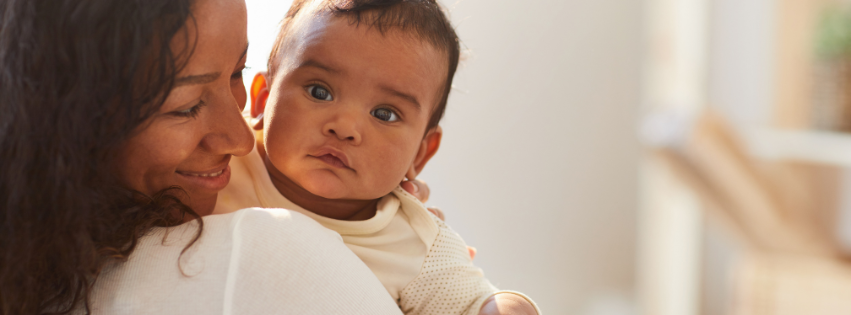
There’s also an interesting philosophical distinction:
- Plant-based eating primarily reduces the environmental impact of how existing people live and eat.
- Having fewer children changes how many future consumers there may be.
Both can contribute to reducing environmental pressures, but they reflect different ways of thinking about sustainability: one focuses on changing consumption, the other on changing population dynamics.
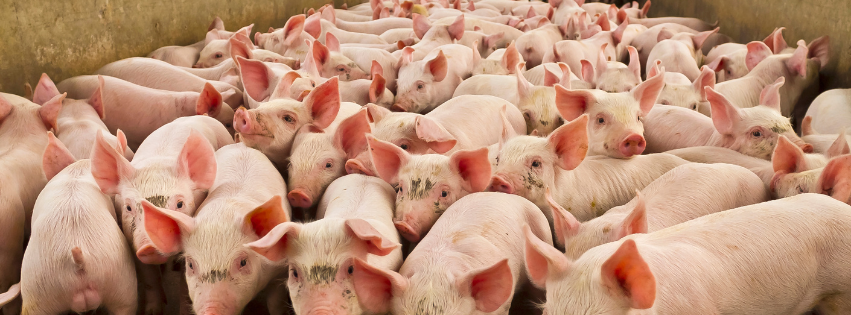
It’s a topic where thoughtful people may often disagree—not so much about the underlying science (for example, that livestock production and population both affect environmental outcomes), but about the ethical significance of those facts and how much emphasis each should receive in public policy or personal decision-making.
I want to end this blog with a few more personal details. My mom had 6 kids; I have 3 children while each of my 5 siblings has had 1 child. My only son is married with 4 kids and my 2 daughters (both in their late 20’s) say they don’t want to have any kids. One eats a vegan diet, and the other is mostly vegan – eating fish about once a week. Researching and writing this article has helped me see the various impacts of my choices, their choices, and the multiple ways we can either protect or destroy natural resources, ourselves, and this planet. It’s messy and complicated.
Thus, I’m sending you love and grace for the many choices you have made or are making every day to be good stewards of this land, our water, the air, and ALL the animals.
We will be at the VegFest 2026 on September 12, at Library Square, from 12 pm to 8 pm! Come to our booth to get to know us, get a little gift, and find some resources on how to be a more conscious resident and human in our Be-UTAH-ful state!