
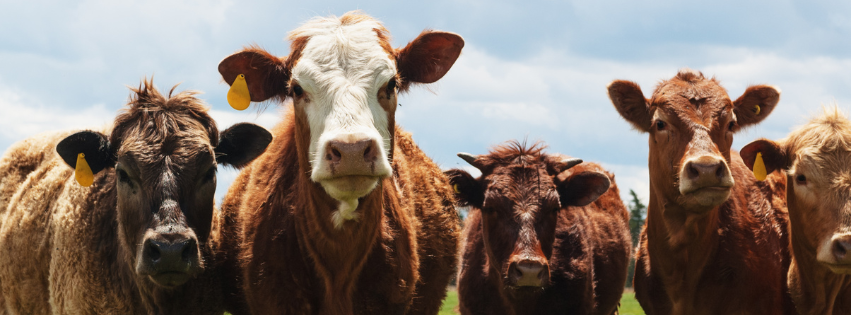
It is common knowledge that the Colorado River and the Great Salt Lake are running out of water, at least in the sense that humans are diverting too much water for either the river or the lake to function as they did before western civilization arrived at their banks. But is the source of the problem too many people or too many cows?
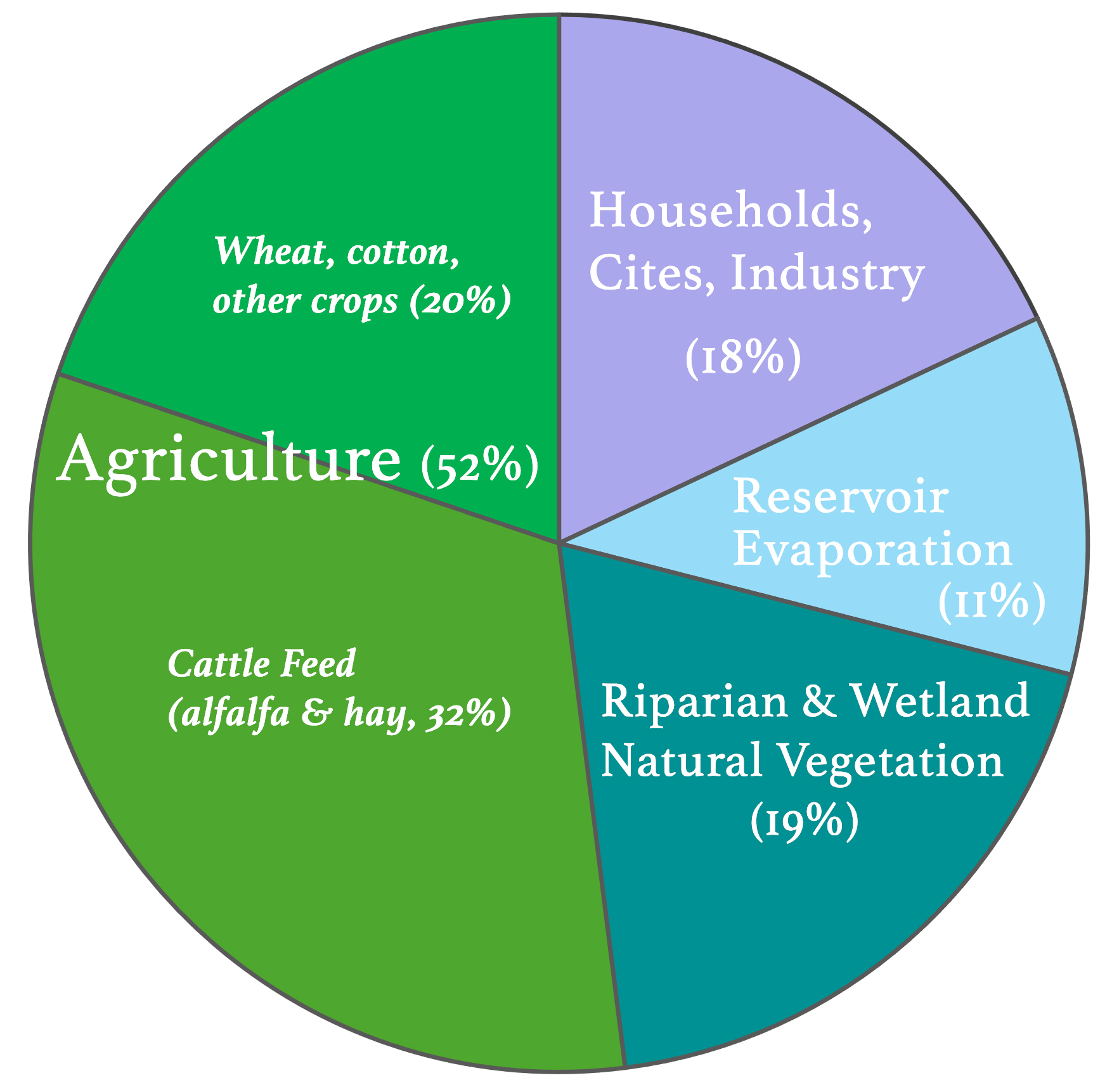
Below is a version of the familiar graph of Colorado River water devoted to cows. It is from a recent report from NASA. It is well worth reading. The link is below the pie chart.
Meat of the Matter: Colorado River Over-Consumed – NASA Science
If you want to know even more about the Colorado River and its drainage area go to Richter et al, New water accounting reveals why the Colorado River no longer reaches the sea in Hydrology & Environmental Science., 2024.c
Link: https://www.nature.com/articles/s43247-024-01291-0
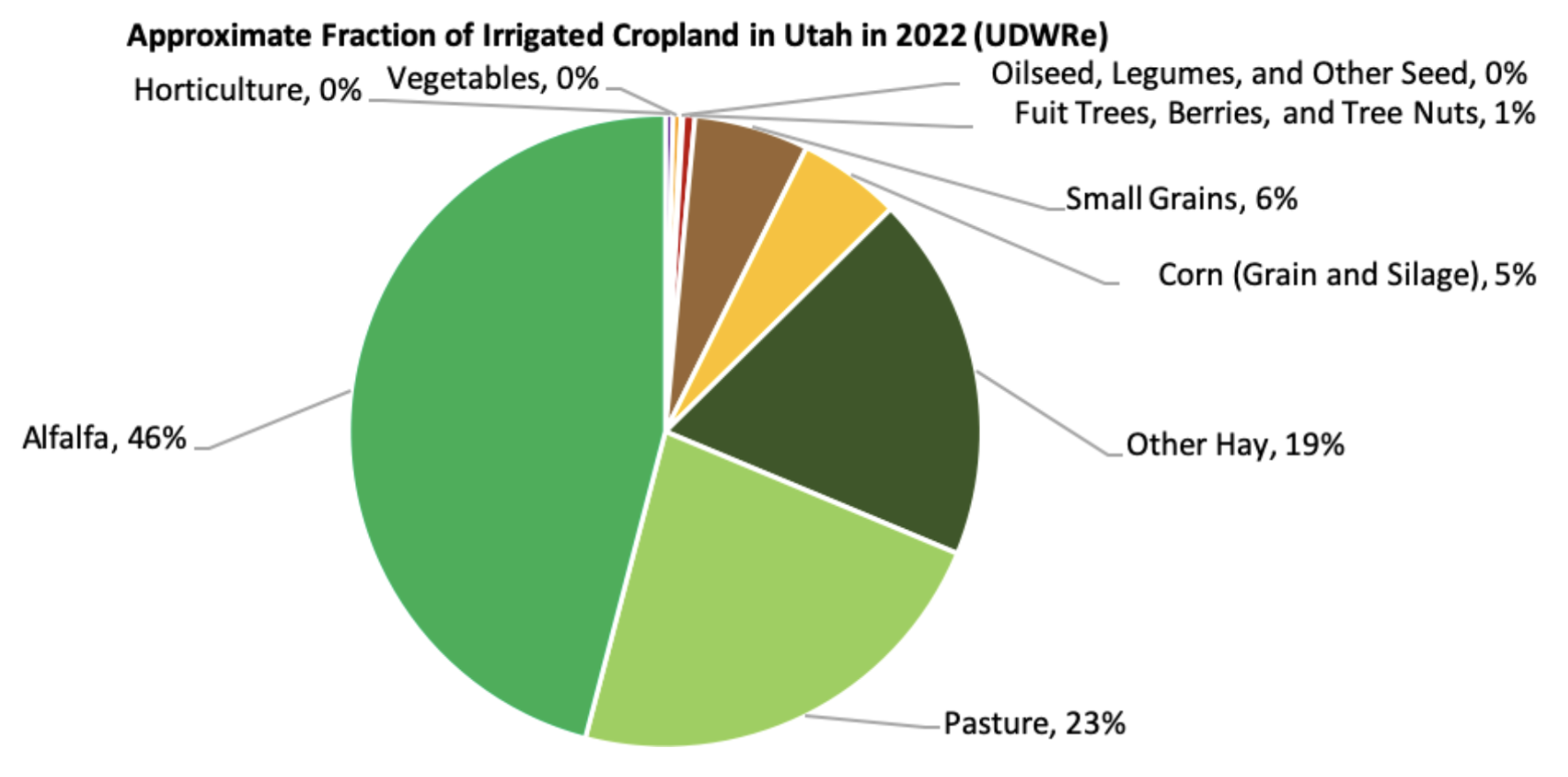
Utah citizens who are paying attention rightly fear the death of Great Salt Lake. Below is a version of the pie chart of irrigated land use in Utah which shows that most of it is devoted to feeding cows. I suspect that much the 23% for pasture is also for feeding cows. as well as, perhaps, part of the 19% for irrigated hay fields.
There is a reason for this. More than 80% of the crops grown on irrigated land in Utah is for livestock because they do well in Utah’s climate, especially in the higher elevations where other crops don’t grow as easily.
Is there some hope for the Great Salt Lake. Although farming still uses most of Utah’s water, recent data suggests irrigation withdrawals may be starting to decline, thanks in part to more efficient systems – and the investment of the Utah Legislature in enticements for farmers to use less water.
View Full Factsheet Here Link to the full Utah State University report on state water use. Good visual presentation of data
This is only an introduction to the conundrum of human consumption and the finite water that supports it. And cows play an even larger role than one would imagine.